
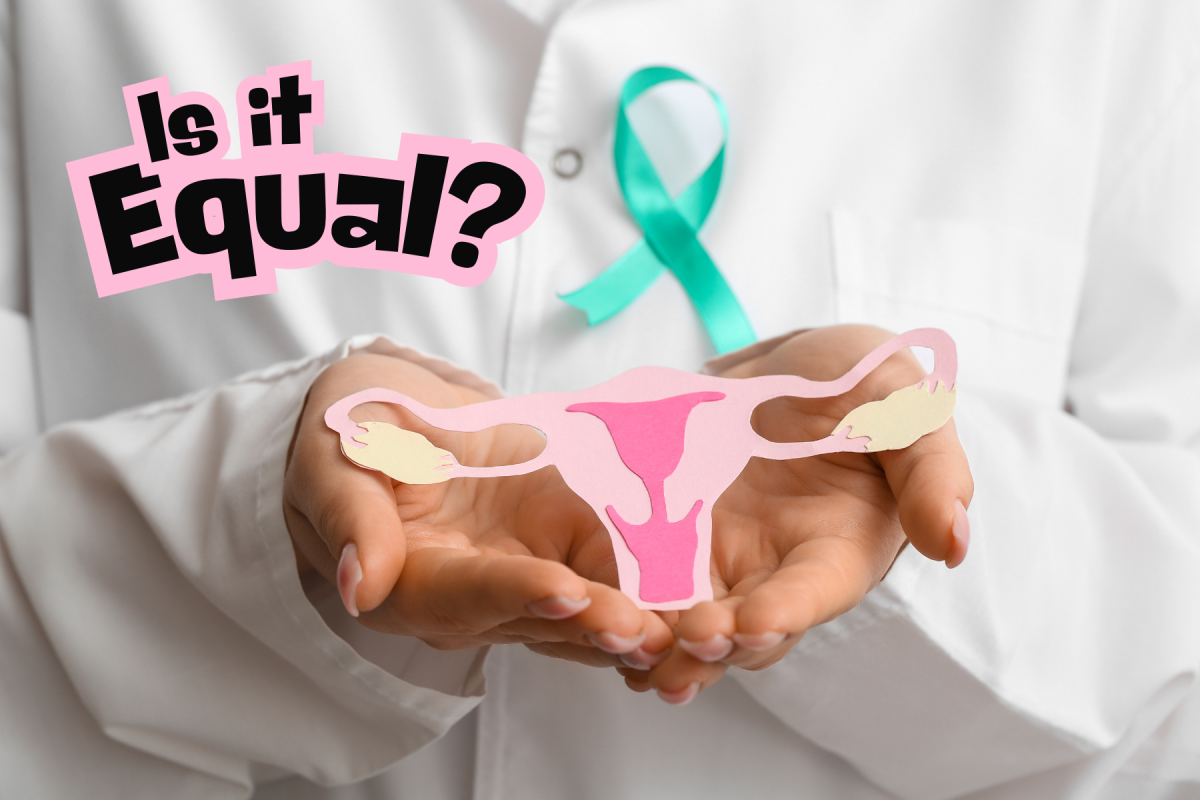
In health class, students learn about wet dreams, sperm production, and the stages of male puberty in clear detail. But many girls leave the same classroom without ever being taught about normal things like vaginal discharge, cycle changes and phases, or even how to deal with a normal period. These lessons may be equal on paper, but for many students, the understanding is not.
Within the high school health curriculum, gaps in education regarding both men and women’s health are really significant. It often lacks depth in topics such as puberty, menstrual health, and sex-specific diseases. Many schools fail to successfully prepare students for all these health realities, or at least in a way that will stick.
In the past, adolescent girls have felt unprepared for puberty, menstruation, and managing menstrual cramps and cycles. Unfortunately, even today these topics are often covered too late, too little, or not at all.
The health curriculum in most K-12 schools focus more on general issues and subjects. Though when it finally comes to the topic of reproductive health, there becomes a major divide between education.
Under the California Healthy Youth Act on what is required to be taught in health class, California schools are required to teach sexual health education, human development, menstruation, pregnancy, contraception, sexually transmitted infections, and HIV transmission and prevention.
And while these guidelines are adequate topic wise, the law does not instruct on how much time is spent on each subject, as well as the depth in which they are covered.
Health classes can often give the same amount of instruction and “necessary” information to everyone, but because female bodies involve more detail and additional processes in how their bodies work (such as menstruation and hormonal cycles), it becomes an unfair system.
Logistically it can seem equal, however female biology involves ongoing daily changes like cramps or hormonal and chemical shifts that male bodies do not experience. Because of this, simply giving everyone the same overview can leave females uneducated in these areas.
Female reproductive education needs more practical facts when it comes to teaching it. To fully understand and manage their health, it all comes down to basic body literacy and making sure that the lessons do not stay equal in length, but in usefulness.
On behalf of these units, most health classes are taught in mixed-sex classrooms with all students combined. For males, their puberty topics are explained pretty directly. For instance, things like erections, wet dreams, and voice changes are taught with clear and informative lessons. Yet with females, the teaching usually skips everyday things that are very normal for female puberty. Subjects such as vaginal discharge, how it changes in the cycle, cramps and how to deal with them, etc. are not properly addressed.
“…hormonal changes can lead to various physical and mental health symptoms, affecting mood, cognition, and even existing medical conditions,” said Loma Linda University.
And when schools don’t adequately teach these everyday aspects of female health, many resort to learning on their own. Whether it’s through the internet, conversations with friends, or parents, not everyone is graced with a detailed option.
“Stigma related to menstruation remains widespread, with adolescents often feeling ashamed or unable to openly discuss the topic,” said the World Health Organization.
All of these alternatives can leave important questions unanswered, and make the whole female biological process stigmatized, confusing, and uncomfortable. For many students, health class may be the only way they learn this information clearly and reliably.
For both the education community and the medical research community, it is clear that women are not the sole focus, let alone an equal one. Expanding on how schools teach female health could help students better understand their bodies, and reduce the taint that still surrounds these topics.
More in depth lessons on menstrual cycles, hormonal changes, and female reproductive health could give students the knowledge they need to know normal symptoms, ask questions, and get medical care when necessary.
With a clearer health education system, it would make sure that fewer people grow up feeling confused or unsupported when it comes to their own health.









Luvgum4ever • Mar 6, 2026 at 6:16 PM
Very thought inspiring