
Before turkey could get cold in the fridge, shoppers are lined up in tents around the block at malls and other large stores. The biggest shopping day of the year has arrived: Black Friday. The recent emerging question that crosses everyones mind is, “are the sore backs and a night away from bed worth it for the Black Friday deals?”
Black Friday “sales” have dropped dramatically. Instead of the 50% off or more that everyone has become accustomed to, they can be faced with a mere 30% off or a Buy One get One 30-50% off.
“At this point, the biggest discount is me not buying anything,” said Claire Franks (12).
A common scam that can be seen is an unexpected jump in prices at stores in the early fall, so when the deal day comes the stores can “discount” the items to their orginal price. This tactic makes shoppers feel like they are getting a discount, when really they are paying the same price as they would have in the spring.
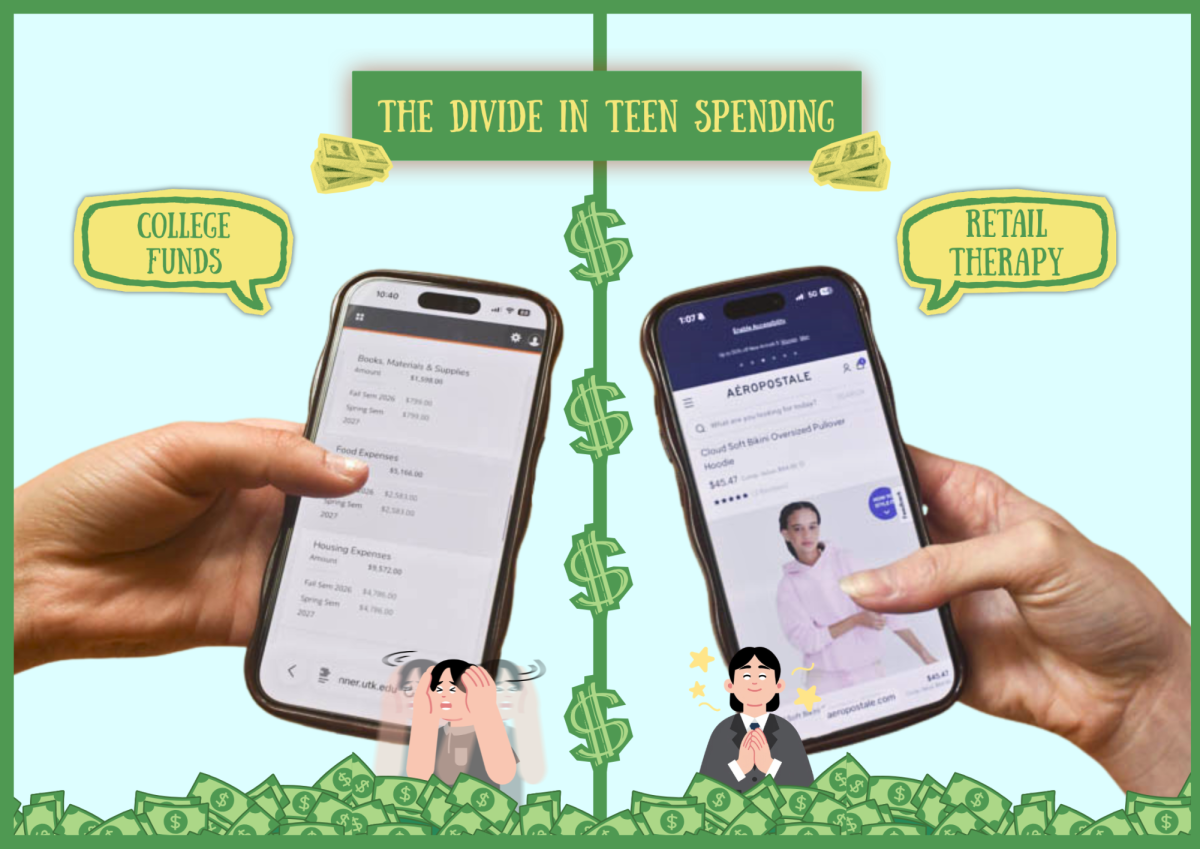
The problem of over consumption continues to be fed by Black Friday. Black Friday encourages “just because” shopping due to the sales. A lot of people buy things just because they feel like they need to take advantage of deals, not because they actually need the stuff.
This doesn’t mean that all Black Friday sales are fake, but the giant sale sign no longer means that you’re saving money. It’s simple psychology: shoppers gain interest by the idea of a limited time offer, and the urgency of the deal can make shoppers overlook whether it is a good deal or not.
There is so much psychology put into Black Friday. With Black Friday now lasting longer than just Friday, stores need to get shoppers in store and purchasing items. Stores use tactics such as anchoring, scarcity, countdown clocks, doorbusters, and cold tags. It’s not illegal, just extremely effective marketing.
Anchoring is upping the “original” price to make the sale look better than it actually is.
Scarcity for example is claiming there are only 5 items left in stock meanwhile there are around 500 in the back.
Countdown clocks are the urgency mentioned before, although it’s fake urgency that only creates shopping stress, and more impulse buying.
Cold tags are red tags that apply another form of fake urgency, making the item and its “low” price stand out.
“Black Friday used to feel exciting. Now it feels like a month-long marketing trap I’m trying not to fall into,” Said Claire Franks (12).
Is Black Friday still Black Friday? What used to be a one day sale free for all is now a month long marketing marathon to keep shoppers shopping. “Black Friday ealry deals” drop November 1st. “Black Friday week” streches across Thanksgiving. “Cyber Monday” has been lumped in with the rest of the sales.
Is online shopping more beneficial than in-person shopping? Online shopping has more stock due to usually being kept in a warehouse. There is an easier price comparison with stores because all of the data is linked to the item.
Black Friday is not the crazed sale frenzy it used to be. It is now the month-long marketing strategy built on psychology, habit, and the illusion of massive savings.