
Just down the road, San Clemente and Doheny beaches are experiencing significant shoreline loss. Rising sea levels are destroying infrastructure ecosystems and are affecting approximately 67% of Southern California beaches. Not only San Clemente, but up north in Santa Barbara and Santa Cruz where beloved sights and views reside.
With the alarming rise in global temperatures, according to the Washington Post, scientists fear that global warming is happening at a rate higher than ever before. While it is easy to feel hopeless in a situation where approximately 80% of burning fossil fuels are due to energy production like electricity, heat, and transportation there is still a role that everyone can play in helping the environment.
Food waste fuels climate change primarily by creating greenhouse gas when decomposed anaerobically (refers to a process without free oxygen) in landfills also in wasting energy, water, and land used for production.
Consumers, which can be anyone, are the largest contributors to food waste. Grocery stores, restaurants, households, and businesses are all major contributors to food waste and in return global warming. Understanding different causes of global warming will allow people to help make a small change everyday. From exploring local and state policies in food waste to everyday ways like finishing your lunch or starting a compost bin can be small ways people can bring beauty back to our beaches.
Down south in San Diego lay some of the most populated beaches in Southern California and not so far up north the Santa Monica Pier has such high bacteria levels that it is deemed too unsafe to swim in.
Californians throw away 5-6 million tons of food waste annually. That amount of food waste converts to roughly 39.1 billion meals, feeding 2.5-3 million people three meals a day for a year. With approximately 187,000 homeless people in California we could help people without houses get back on their feet with warm meals and a full stomach.
Currently California Senate Bill (SB) 12 passed in 2005 requires students lunch to include fruits/ vegetables and whole grains. Schools in California generate an estimated 530,000 tons of food waste annually, with organic material being over 50% of it. While requiring students to have a fully balanced meal encourages eating habits, it does not rule out students from trashing what they don’t want to eat.
Currently California Senate Bill (SB) 12 passed in 2005 requires students lunch to include fruits/ vegetables and whole grains. Schools in California generate an estimated 530,000 tons of food waste annually, with organic material being over 50% of it. While requiring students to have a fully balanced meal encourages eating habits, it does not rule out students from trashing what they don’t want to eat.
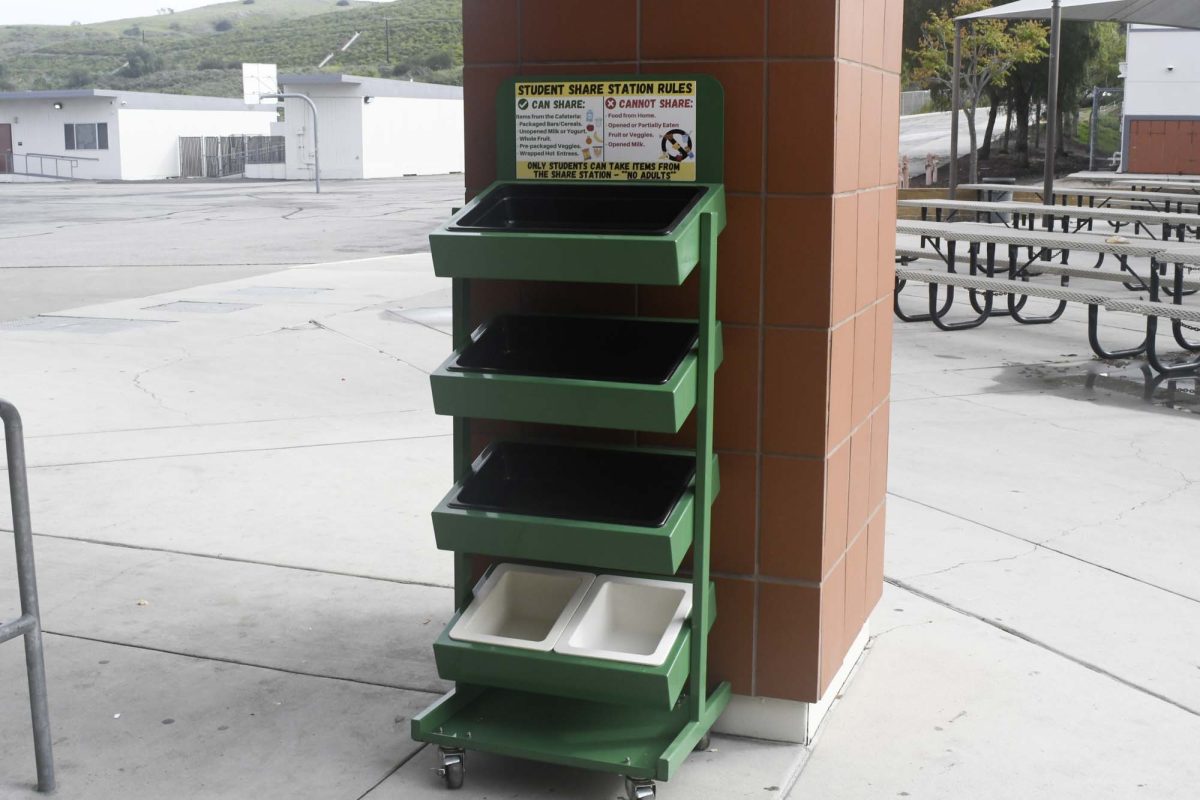
The Express conducted a survey of 343 students from all grade levels at SJHHS. Only 31.3% of students said they finished their whole lunch.
By changing the requirements to allow students to choose what they want in their meals and allowing schools to donate their organic produce to local shelters, homes, and farms sooner, it will prevent food from rotting, decreasing schools’ footprint.
As heat waves, droughts, and sea levels all continue to get worse, it is clear proof that there needs to be a change. Through local agenda pushing, hopefully change can be facilitated.