The United States is globally renowned for its massive sports industry. Our nation exceeds in its viewership, revenue, and overall elite performances. It has dominated across leagues, becoming a well-known powerhouse in the Olympics, National Football League (NFL), National Basketball Association (NBA), Major League Baseball (MLB), and recently in the National Hockey League (NHL).
America has a deeply ingrained sports culture that has been fostered through its promotion of organized and recreational sports, the media and commercialization, and serves as a prominent force of unity between Americans. It bridges the gap between building individual character and personal discipline with collective teamwork and self-sacrifice, allowing individual players to flourish while achieving team success.
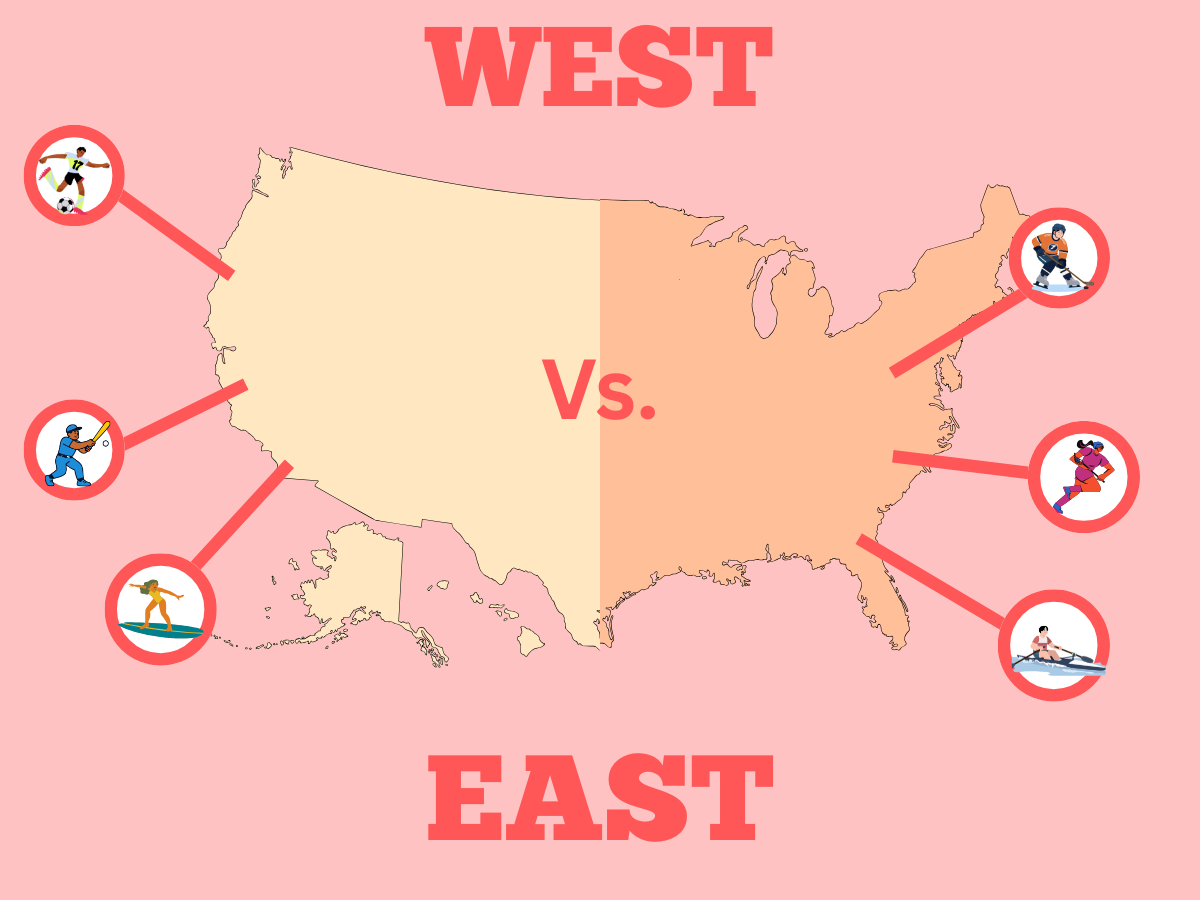
It is true that the nation is united by this shared passion for competition, but the differences among the Western and Eastern coast has created distinct regional identities. It is well-known that the East coast dominates more sports than the West and contains the most successful sports teams.
“Lacrosse is definitely a growing sport, but all the good players are from the east like Boston college, UNC, who were born with lacrosse sticks in their hands,” said Lacy Duckwitz (12).
The idea that there is an East coast bias is true to an extent, particularly when it comes to sports broadcasting and the media’s blind assumptions of certain sports teams being better simply because it is in the East. Major news outlets like ESPN and NFL Network are based on the East coast, resulting in more coverage surrounding local sports teams.
It is also caused by the East’s higher concentration of sports teams and leagues, its historical roots, traditional rivalries, and the time zone differences that leads to less viewership because of such late games on the west. Although there is an unnecessary overemphasis and repetitive coverage solely on East coast teams making it proportionally unfair, in some cases it may be justified because they often do contain higher-performing and popular teams.
“There are probably around three local teams, and some others around…I played for Gold rush but now for the Capistrano Cayodes District team…These sports for sure feel less established here, but it also depends on what school you go to like Santa Margarita, JSerra, and Fairmont is really big. Although I have seen it become more popular,” said Bodie Morris (10).
The East coast tends to offer a wider variety of options for sports to play in comparison to the West. The West has evolved over the years and its difference in alternative sports across regions is that certain sports just have stronger regional footholds and some choose to focus on specific sports rather than others.
“There’s just a lot less rings and the coaching is just as good as it would be up there. It is probably a little more expensive here because there is less. I think the west coast just focuses on different sports, but we are missing out on not embracing a wider variety,” said Morris.
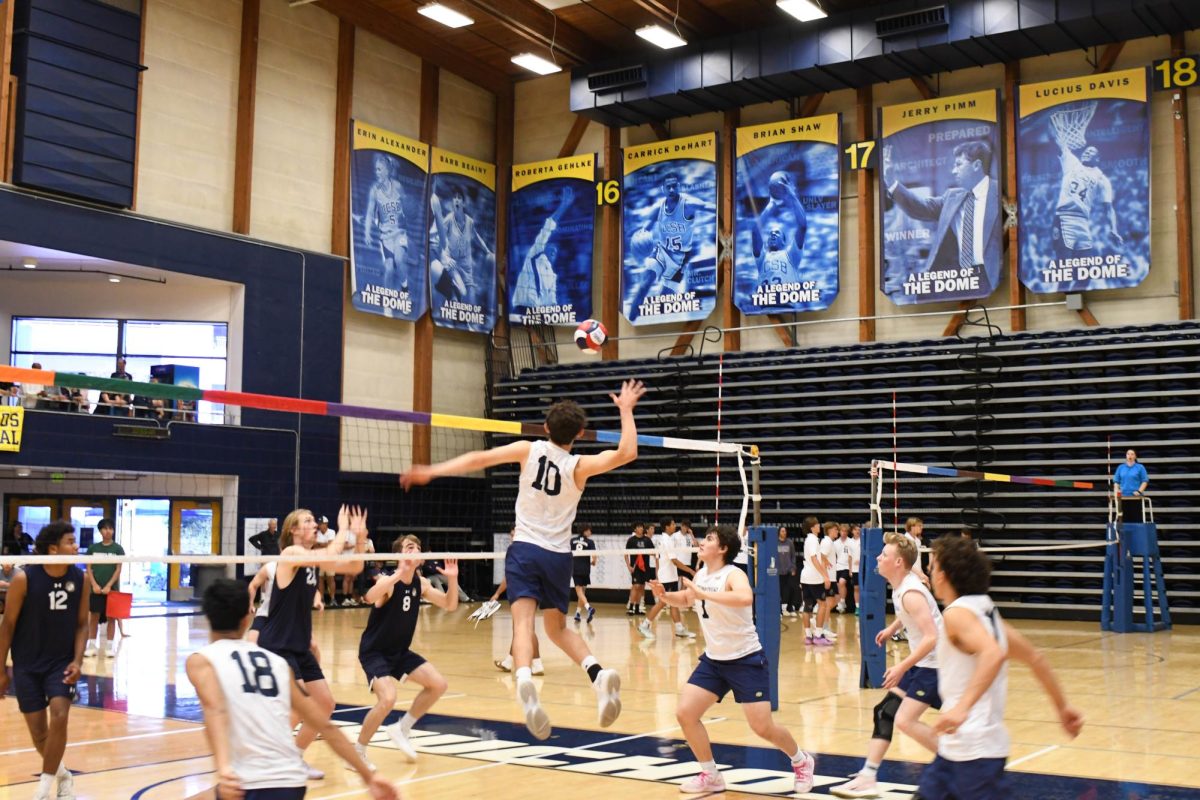
The East has been heavily influenced by British games such as rugby and cricket while sports such as basketball, volleyball, and skateboarding has emerged in the West. This has resulted in sports like lacrosse being more traditional and having long standing roots, making more established programs.
“I played against Canadian and East Coast teams, and I see it’s very similar. The East Coast teams we play better, some of them about the same just depending on where they’re from and how good they are. But we have a lot of good players around here too, it’s just that we have a lot less,” said Morris.
Ultimately, there is simply just a regional appeal and preferences for different sports. Also, the difference in play and competition may be difficult to sufficiently compare since they truly only interact during championships.
“I played in the national tournament in North Carolina and Massachusetts and I saw how the girls had natural stick skills and their defense and offense were much more aggressive. They just physically looked more athletic and aggressive, terrifying especially compared to west coast girls who have probably only been playing for two years in high school who looked like we didn’t know what we were doing,” said Duckwitz.
The distinct seasons have led to making indoor and outdoor-specific sports like hockey and lacrosse based on the change in winter and summer. However, the West coast’s more mild and consistent weathers have made athletes more likely to focus on one year-round sport like soccer, baseball, volleyball, or football.
“I didn’t want to go to D1 because it was on the east coast. It’s intimidating and different not growing up with lacrosse. When you first pick up the stick it takes years and it’s almost impossible to go D1, it takes pure talent to be able to go D1 in four years,” said Duckwitz.
West coast sports teams tend to experience distinct recruiting disadvantages because of geographical isolation, smaller talent pools, and more. Although talent does exist across the west, both programs and potential recruits struggle to attract national prospects or schools.
“When it comes to looking for recruits, we are probably the second choice, but on the other hand if you are really good, people will know that because you will stand out. There’s more expectation to be better on the east coast because they have been playing since they were little. I don’t like some of the culture in the west since everyone is so supportive, especially of people who aren’t as good,” said Duckwitz.
Although the West produces some of the nation’s elite athletes, the narrower range of sports hinders exposure, delayed development, and may lead to unequal opportunities compared to the East coast that is more diverse and deeply rooted in athletic culture. It is imperative that we implement more possible sports across both coasts to give equal opportunities for athletes regardless of geography.
“I think the west is catching up, maybe in the next five to ten years. I think the fact that they are implementing more youthful leagues, they will be far better than what I was at my age now,” said Duckwitz.