
Body types, face shapes, nose outlines, and make-up looks have been marked “perfect” or “imperfect” by the prevalence of beauty standards. Evolving over decades, different preferences of traits and features that are considered superior have taken control of self-esteem and speculation of the “perfect look.”
Towards the 1900s an extravagant glam was thin brows and a red classic lip, with a pale complexion but presently a clean look, full brows and a sunkissed tan have become the beauty norm. Going to show how the mold of perfection is simply unattainable.
A large influence on these expectations has been social media relevancy upon the current generation. Celebrities and successful individuals can easily be shown as a stencil in comparison to young girls and women. This common comparison is a direct hit on the self-esteem of developing teenage bodies.
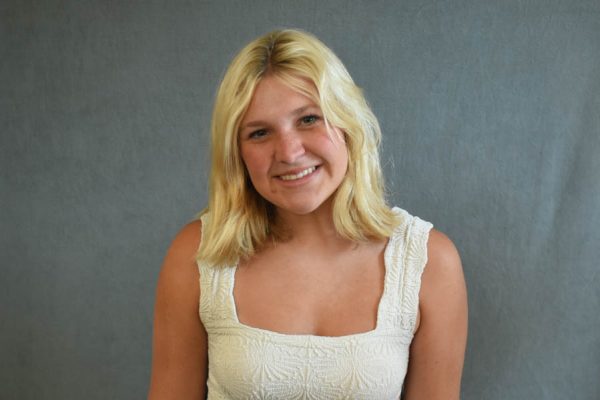
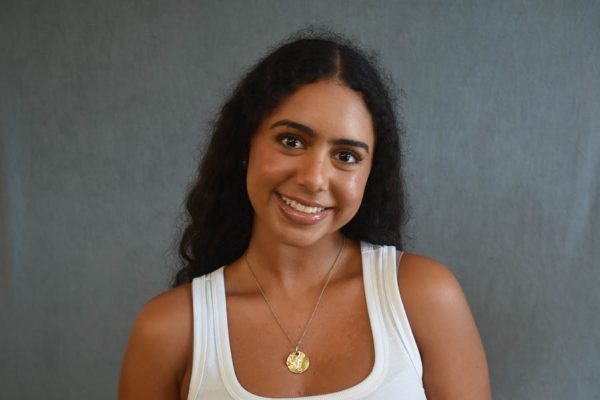
“People that they look up to, they’re going to try and fit that beauty standard, which is makeup and skin care and all this stuff that little girls shouldn’t be worrying about, instead of things like where they might play next or how sparkly their shoes are,” said Isabella Consoletti (10).
In “From Barbies to Blush”, PR Newswire surveyed how females have been starting to wear makeup much earlier. With 65 percent at ages 8-13, 29 percent at 14-16, and 15 percent at 8-10. Most report feeling “self-concious”, unattractive, or “naked/as though something is missing” without putting on their makeup in the morning.
Students Sophia Charles and Madeline Quinn (10) spoke on this topic with an informational slideshow presentation, touching on how body type standards are often set by organizations such as modeling, acting, and magazines.
“You don’t see a lot of plus size or curvier models. They’re all the same build, so I feel like it makes people think that an hourglass and skinny is what you have to be,” said Charles.
Brandy Melville has become an extremely popular clothing store and targets appeal to high school girls around the world. Although Bandy Melville’s variety of staple pieces and feminenly, casual styles have become loved by this generation, their sizing strategies are limited to one size fits all merchandise.
With sizes ranging from extra small to small in all products, women who dress in larger sizes are easily excluded from joining in on trending clothing, further leading to a discouraging mindset and desires of being more like the “standard girl”.
“Ill see other people be like “I’m not snatched” or “I’m not skinny, I’m only a medium” and harping on the things that they don’t have. It’s sad to see our friends be insecure about that,” said Quinn.
As a community, students need to begin celebrating each other’s differences and perfect imperfections. Bodies should never be titled exceptional or unexceptional in a society. A body is a work of art, purposefully painted with unique traits and incomparable quality.