
Many opportunities to further discover career paths exist at SJHHS. Within the school´s College and Career Advantage (CCA) program, Forensic Psychology is offered with Forensics and is recognized with a cord on graduation day.
The Criminal Psychology course is described as ¨where the courtroom meets the mind¨ by the district. Including criminal profiling, jury and law enforcement selection, correctional psychology, cults and radical groups, private and public job opportunities are discussed in the course.
Director of this forensic field, Ms. Magana, organizes criminal identification and analytical activities for a focused practice on what a law enforcement and forensic science career might involve. Professional guest speakers are brought in to share technical experiences and helpful perspectives.
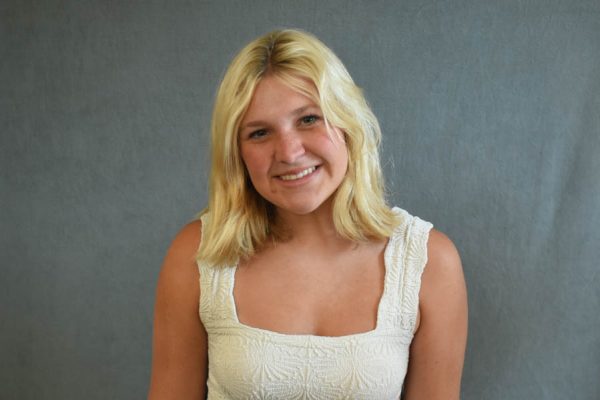
“We go over a lot of serial killers, obviously, felonies, we’d look at their brains and what drove them to this path. The big question is nature and nurture most of the time,” said Reese Nelson (12).
FBI agents, lawyers, and further governmental associates come into the class for informational lectures. Recently, the head of the CAPOUSD security department paid a visit to the Forensic Psychology class, and discussed different scenarios of mass shooting emergencies on campus. Survival rates and further statistics had been given for the class, while preparing for readiness for times of danger.
While the topics are heavy on the heart, timely criteria is looked over for a deeper understanding while introducing law enforcement and a criminal’s mind. Recent killings, cult behavior, and terrorist attacks are presented for realistic circumstances while supervision guides the lesson.
Court cases, and professional documents are commonly sourced in this course. Upbringing of the felon is evaluated and often can interpret what students need to observe to analyze specific mindsets.
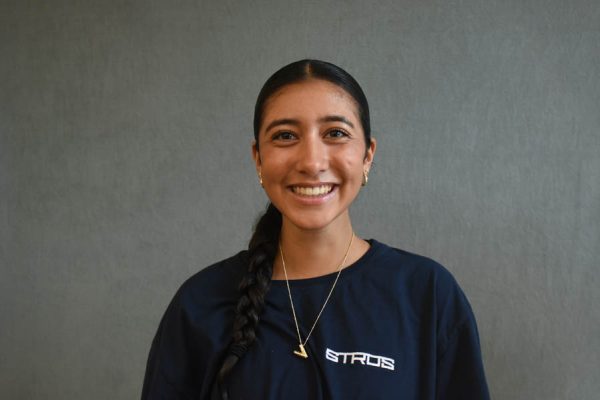
¨We also have fun, it´s a lot of talking, a lot of laughing, a lot of interacting with peers, so I think that makes it a lot more fun because of Mrs. Magana,¨ said Allie Rath (12).
Not only is the Criminal Psychology classroom a professional environment, but also encourages character development with socialization, volunteer work, and teacher motivation. Students have continuously suggested how Ms. Magana is a great leader to navigate the course with. When volunteer work is given as an assignment, realization can be made when deciding between different majors or paths a student might be interested in. Additionally increasing the relevance of homework completed throughout the course and career knowledge.
“She is one of the best teachers I’ve had because she pushes us with volunteer work. 10 hours of volunteer work in the field that we want to go into. So it has to be directly related. And that really pushes you to understand what you want to do,” said Nelson.
Besides the topic of law within this course, an understanding environment is created between students. Empathy is encouraged, new ideas are confidently discussed among peers. Different points-of-views from the classroom are shared. In all, working together to increase complex conversations about criminal activity, identification profiling, and felonious events.